Speed sells: IIHS finds safety takes a backseat in automotive advertising
Performance has become one of the most dominant languages of modern automotive advertising, according to new research from the Insurance Institute for Highway Safety (IIHS).
A study from the US nonprofit analysed nearly 3,000 automotive advertisements broadcast on television and across digital or social platforms in 2018, 2020 and 2022. It found that performance outweighs safety in how vehicles are marketed across television and digital media, with automakers more frequently leaning into messaging on power and acceleration.
Across the sample, 43% of all ads featured performance-related themes such as speed, manoeuvrability, traction, stopping or power. By contrast, safety appeared in just 8% of ads.
Speed in particular stood out: it was highlighted more than twice as often as safety-related messaging, reinforcing a cultural focus on driving fast and handling vehicles at the limit.
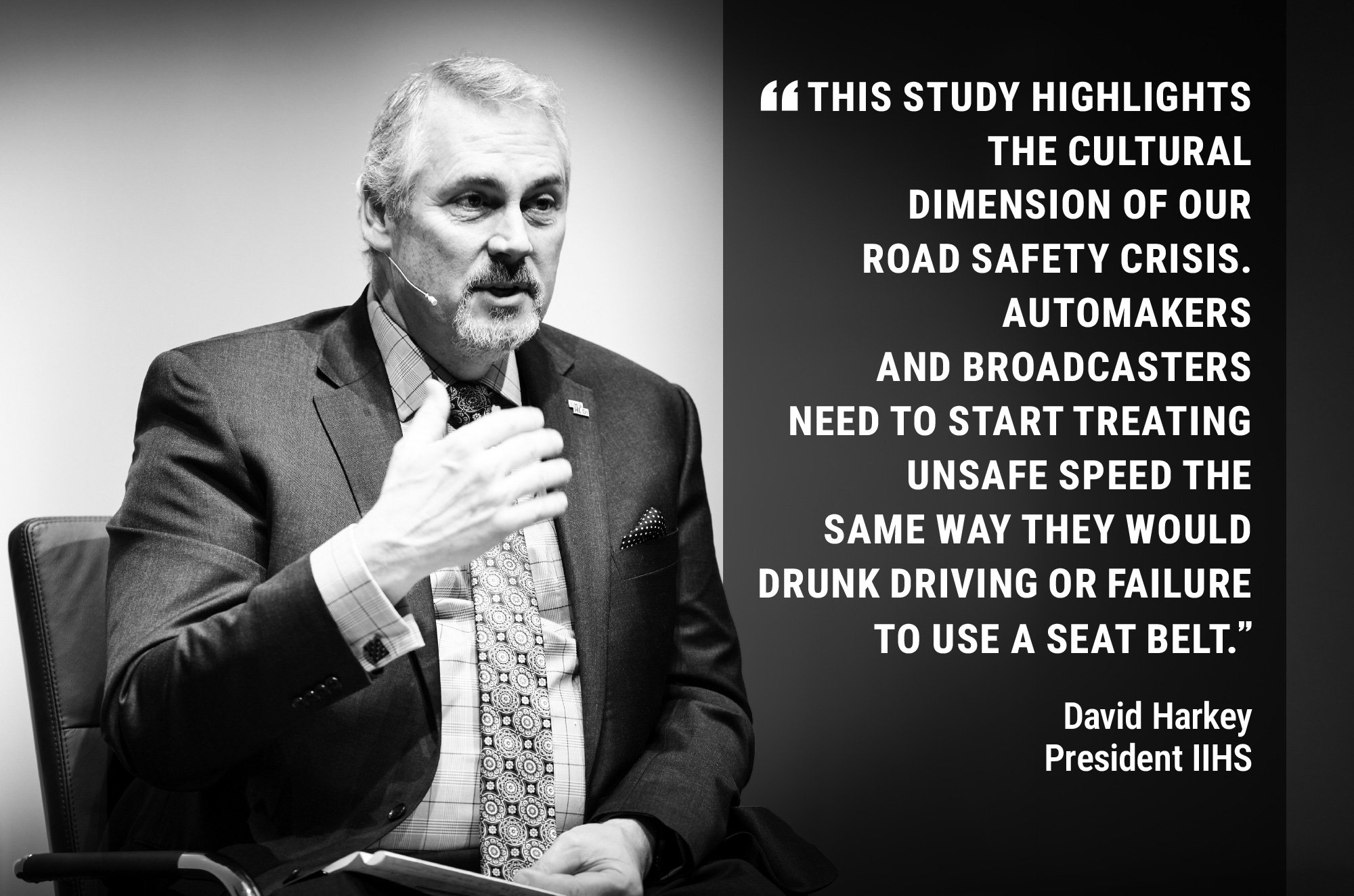
“Showing a stunt driver zooming around a tight turn in the rain might seem harmless but these ads reinforce our cultural obsession with speed,” IIHS President David Harkey said.
“The fine-print may caution that it’s a professional driver on a closed course but the message they convey is that you can drive this way too.”
The study arrives against the backdrop of persistently high road fatalities in the United States. More than 11,000 people were killed in speed-related crashes in 2024, accounting for 29% of all road deaths nationwide.
The study breakdown
To build its analysis, IIHS researchers compiled more than 1,700 television ads aired in 2018, 2020 and 2022, alongside over 1,100 internet and social media ads from 2020 and 2022.
They coded the content using a framework of 23 marketing themes such as speed and speeding and comfort and convenience. Each theme was linked to specific visual cues. For example, speed and speeding cues included vehicles moving at excessive speed as well as rapid acceleration.
Ads featuring speed, manoeuvrability, power, traction or stopping were grouped under the “performance” category. Safety cues included crash testing, accident avoidance through braking, airbag deployment or depictions of crashes with safe outcomes.
Performance themes appeared in 43% of all advertisements analysed, compared with just 8% for safety themes. Researchers suggested one reason for the low emphasis on safety may be that features such as airbags and seatbelts are now considered standard equipment rather than standout selling points.
Within the broader performance category, 16% of all ads explicitly referenced speed or speeding, while 28% highlighted traction. Over time, the emphasis on performance intensified. The share of ads focused on speed rose from 14% in 2018 to 19% in 2022, while the proportion of ads highlighting safety fell sharply, from 11% to just 3% over the same period.
Taken together, the findings suggest that despite the ongoing global road safety crisis, automotive advertising continues to prioritise performance narratives, reinforcing speed not as a vehicle capability but as a cultural ideal.