Toyota Starlet receives zero-star rating from Global NCAP
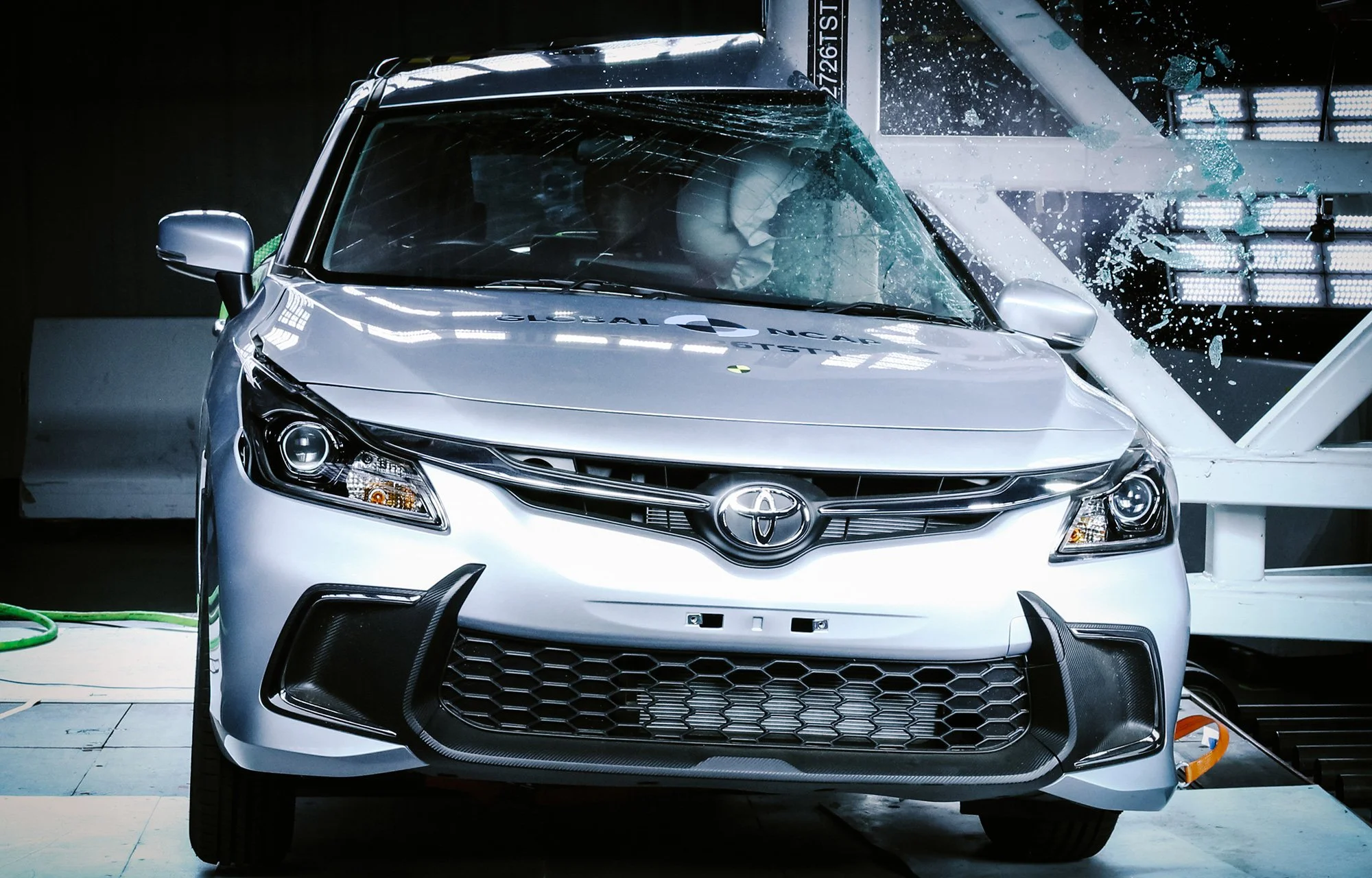
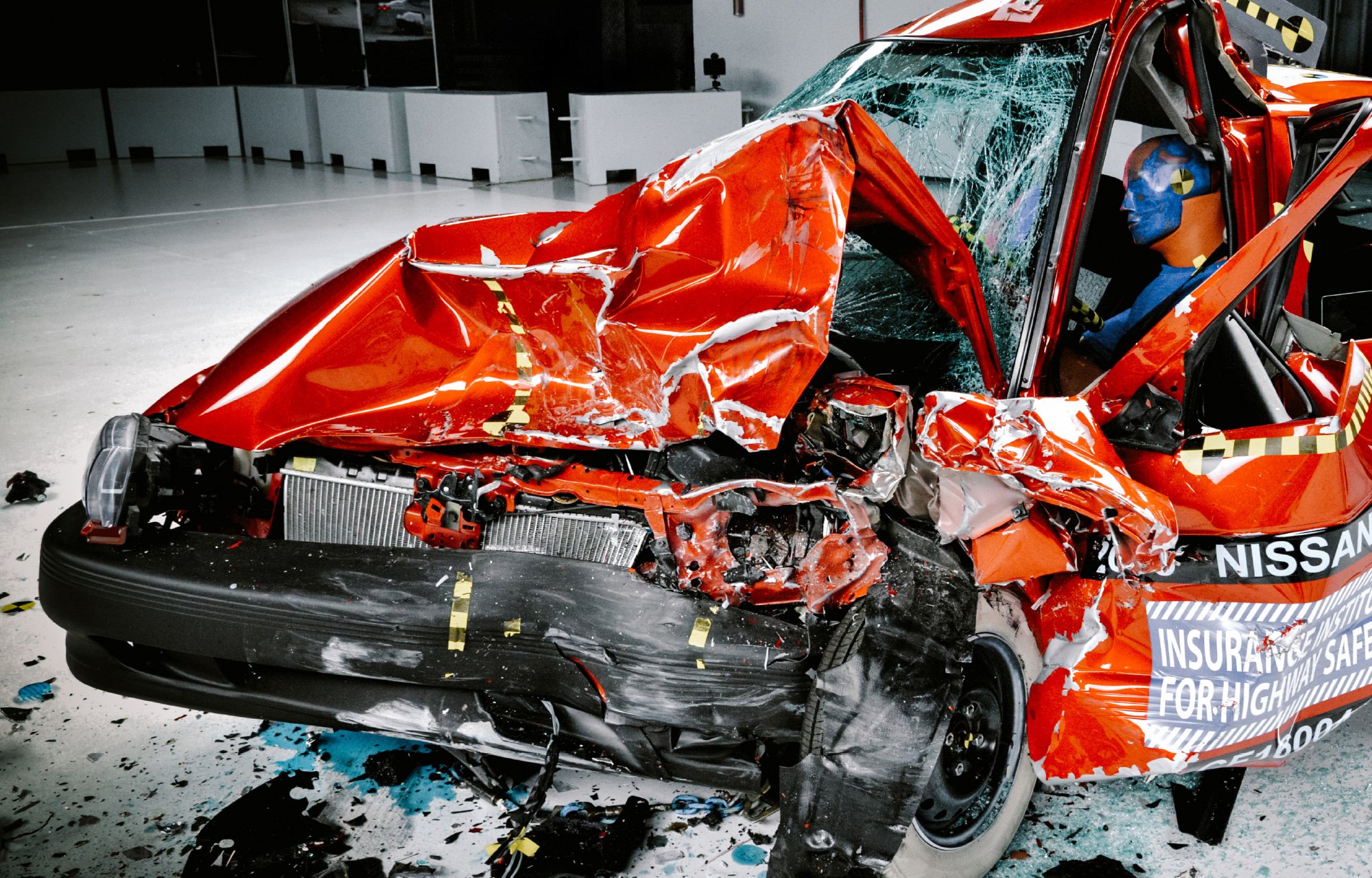
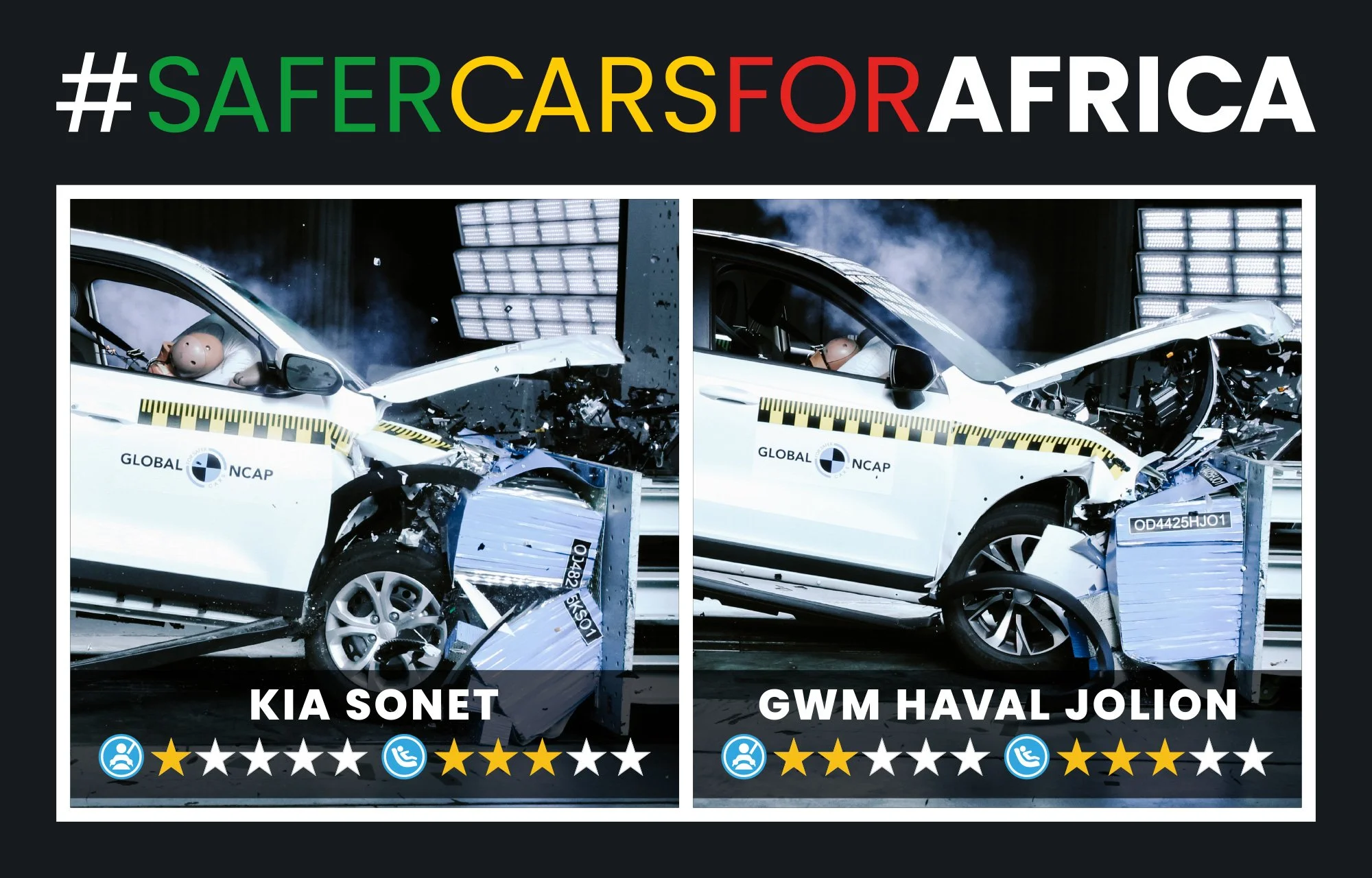
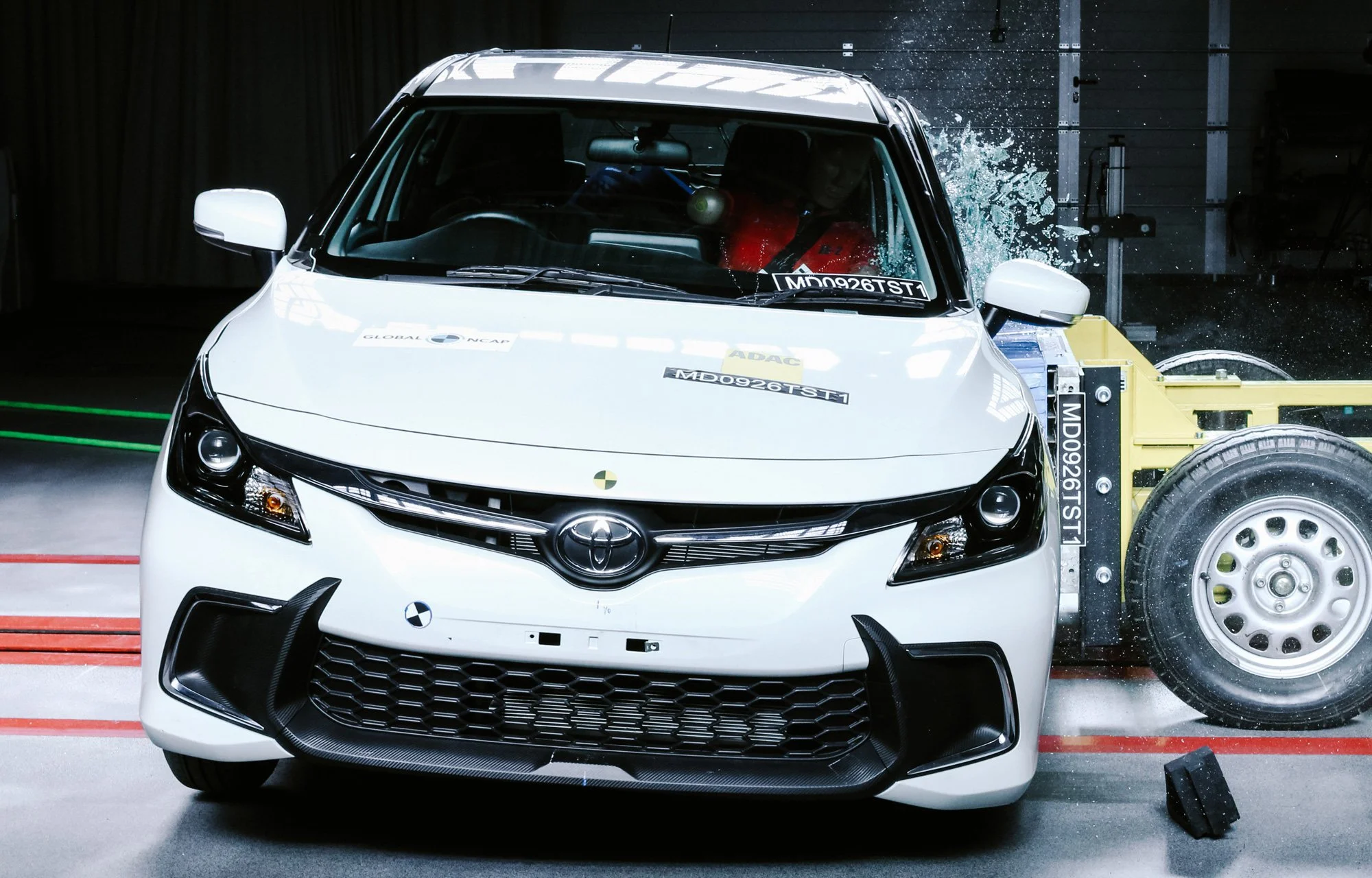
The outgoing version of the Toyota Starlet has received a zero-star rating for adult occupant protection from Global NCAP in the #SaferCarsforAfrica test results.
During the transport and testing process, Toyota informed Global NCAP that the South African Starlet range was being updated with additional safety features, including side head and body airbags. The results apply to models sold before Toyota’s safety update at the end of last year.
Global NCAP has since anonymously purchased the upgraded model for further crash testing to enable African consumers to compare the safety performance of both versions.
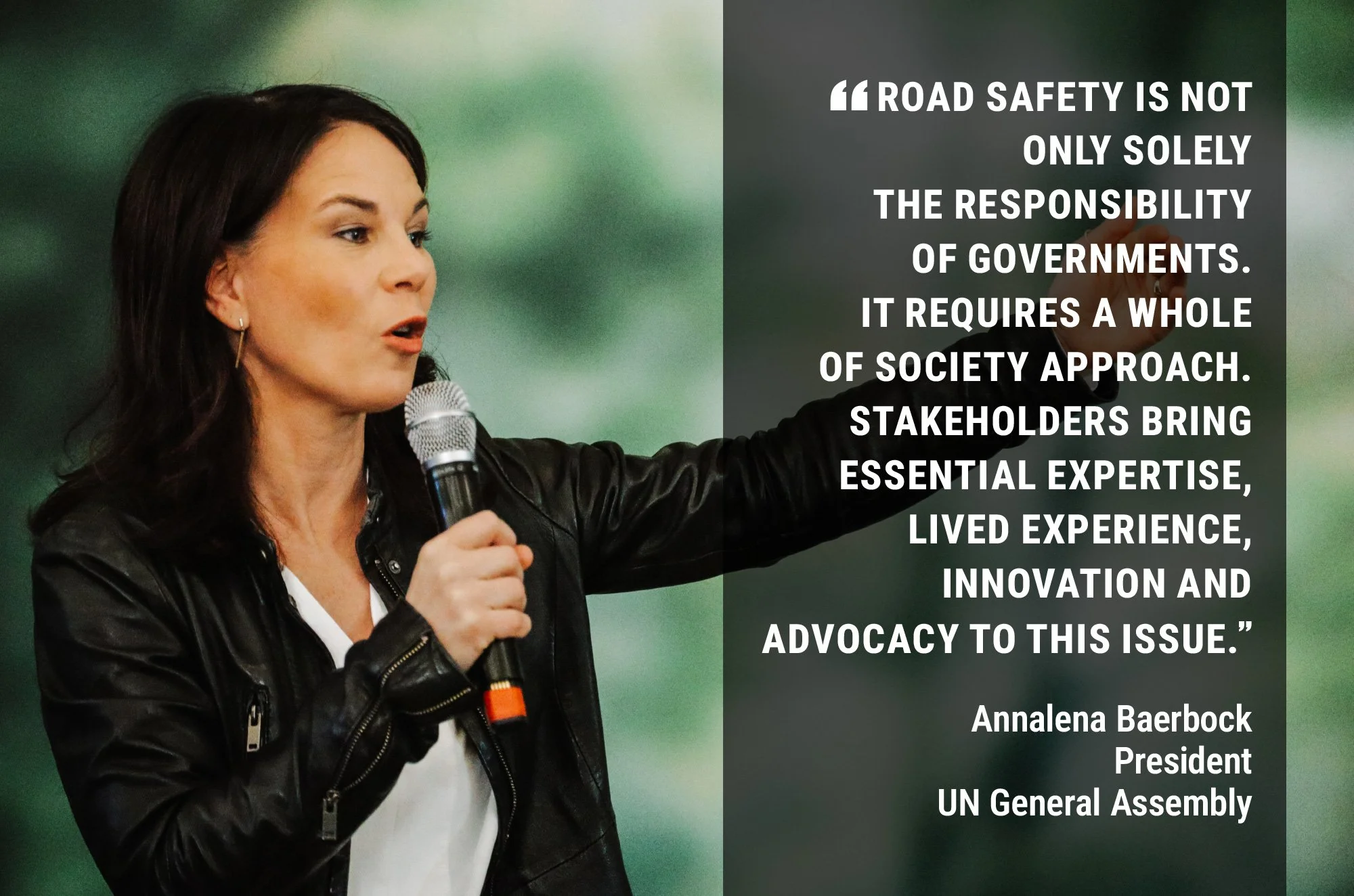
Global NCAP brings vehicle safety to forefront of UN road safety meeting
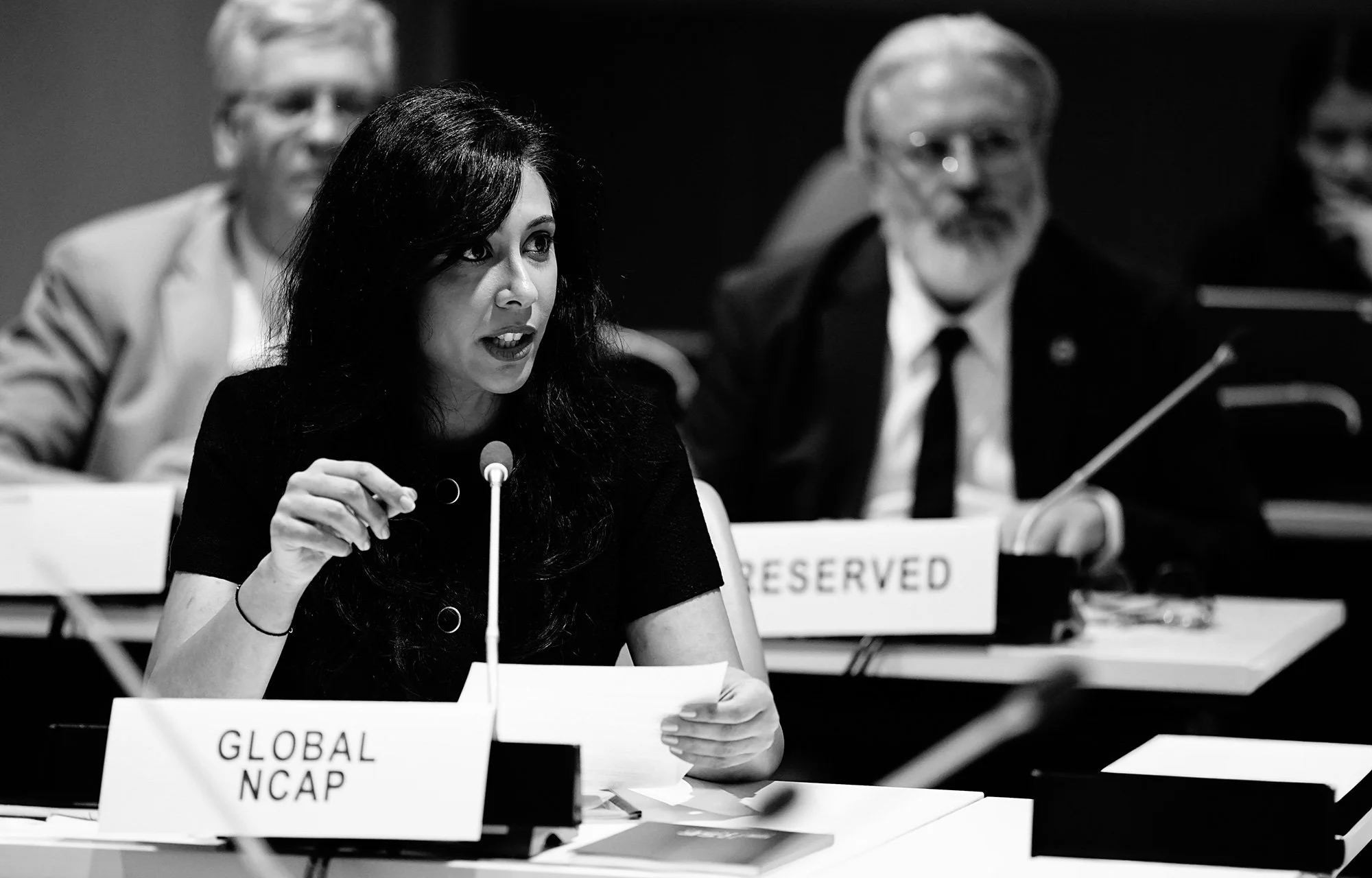
Global NCAP is proud to have brought vehicle safety standards to the forefront of the conversation at the UN’s interactive multi-stakeholder hearing on road safety.
New York mandates ISA for “super-speeders”
Repeat speeding offenders in New York City will now be required to have speed-limiting technology fitted to their vehicles following the passage of the Stop Super Speeders Act.
UN Road Safety Fund publishes Annual Report of global impact
The UNRSF has published its 2025 Annual Impact Report, highlighting the global reach of its road safety programmes as the Decade of Action for Road Safety enters its final stretch.
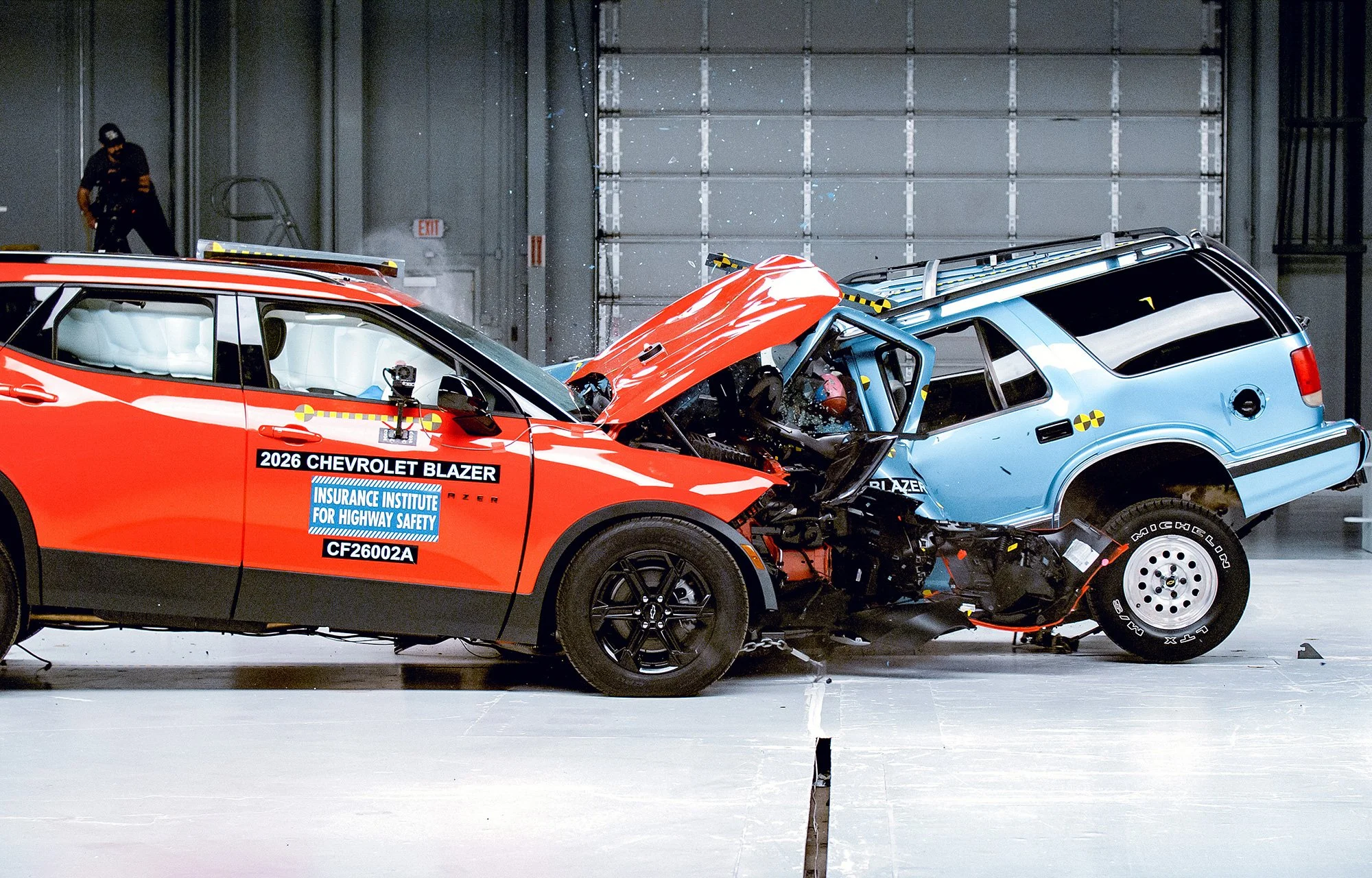
Speed sells: IIHS finds safety takes a backseat in automotive advertising
Performance has become one of the most dominant languages of modern automotive advertising, according to new research from the IIHS.
A global study has revealed that capping vehicle size, accelerating electrification and increasing a modal shift could cut liquid fuel demand by up to 85% by 2050.
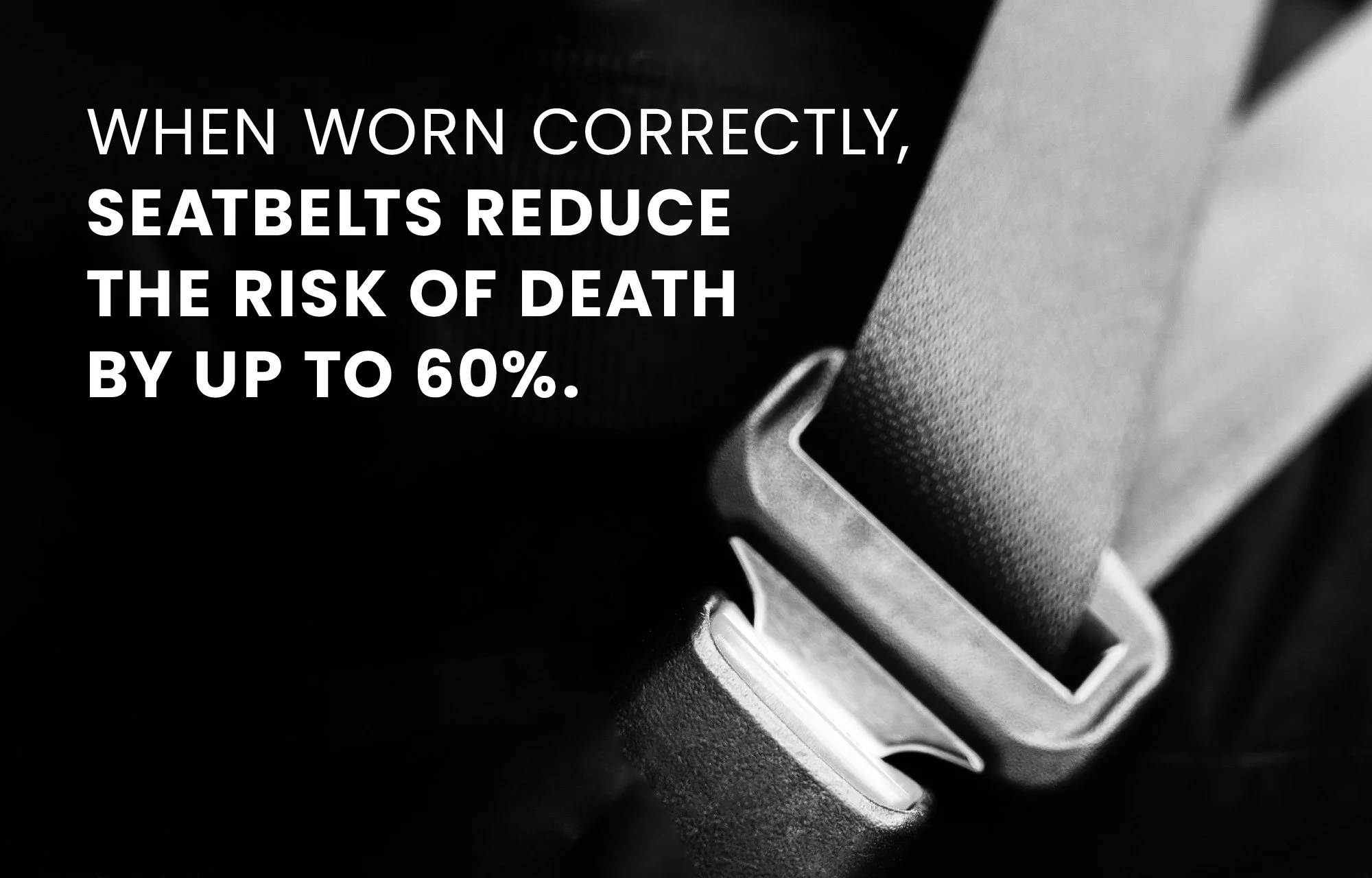
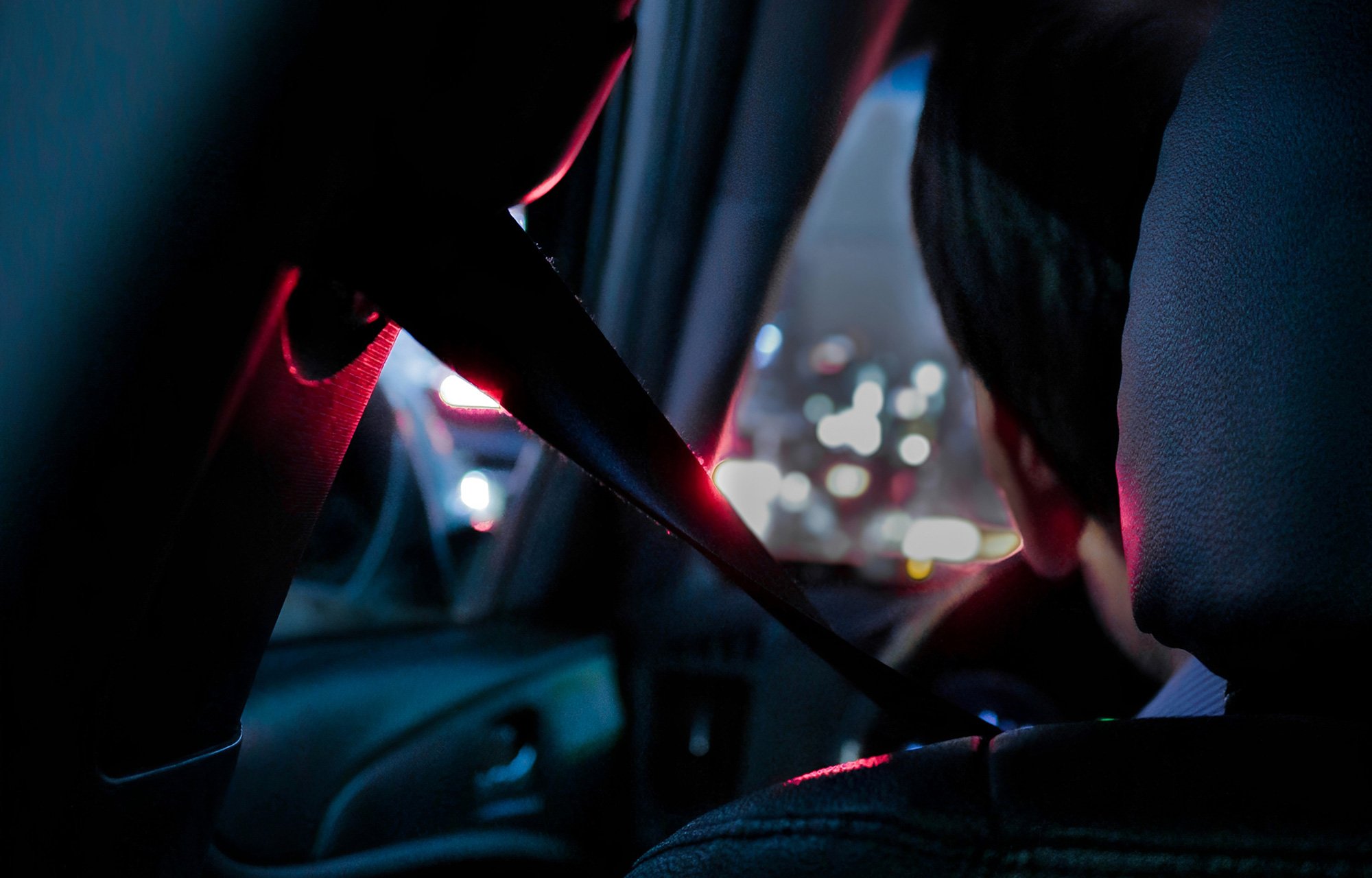
Global NCAP is proud to have joined an Experts Connect session hosted by the UN Road Safety Fund, spotlighting seat belts as one of the simplest and most powerful tools to save lives.
Africa has adopted its first continent-wide, legally binding road safety framework, marking a major step toward tackling the region’s road safety crisis.
On April 20, NCAP leaders, government authorities, industry, academia and the media gathered in Tianjin, China, to celebrate the 20th anniversary of C-NCAP.
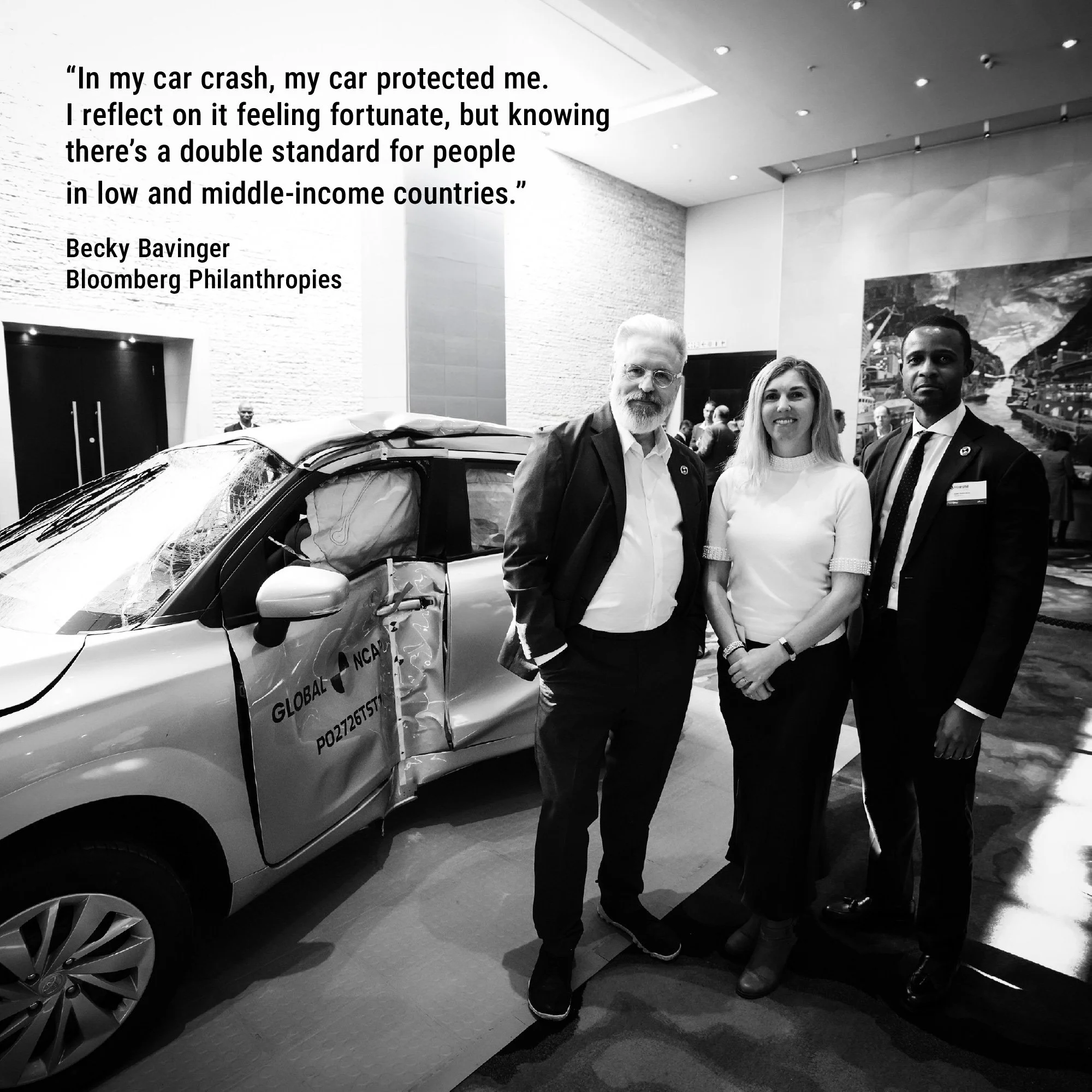
Global NCAP is delighted to continue its partnership with Bloomberg Philanthropies under a newly announced $350 million investment unveiled by Michael Bloomberg.
London has unveiled an ambitious new road safety plan aimed at accelerating progress towards its Vision Zero goal of eliminating deaths and serious injuries on city streets by 2041.
Road safety leaders from across the Asia-Pacific convened in Manila for the FIA Safe Mobility 4 All & 4 Life programme, accelerating efforts to tackle one of the region’s most pressing public health challenges.
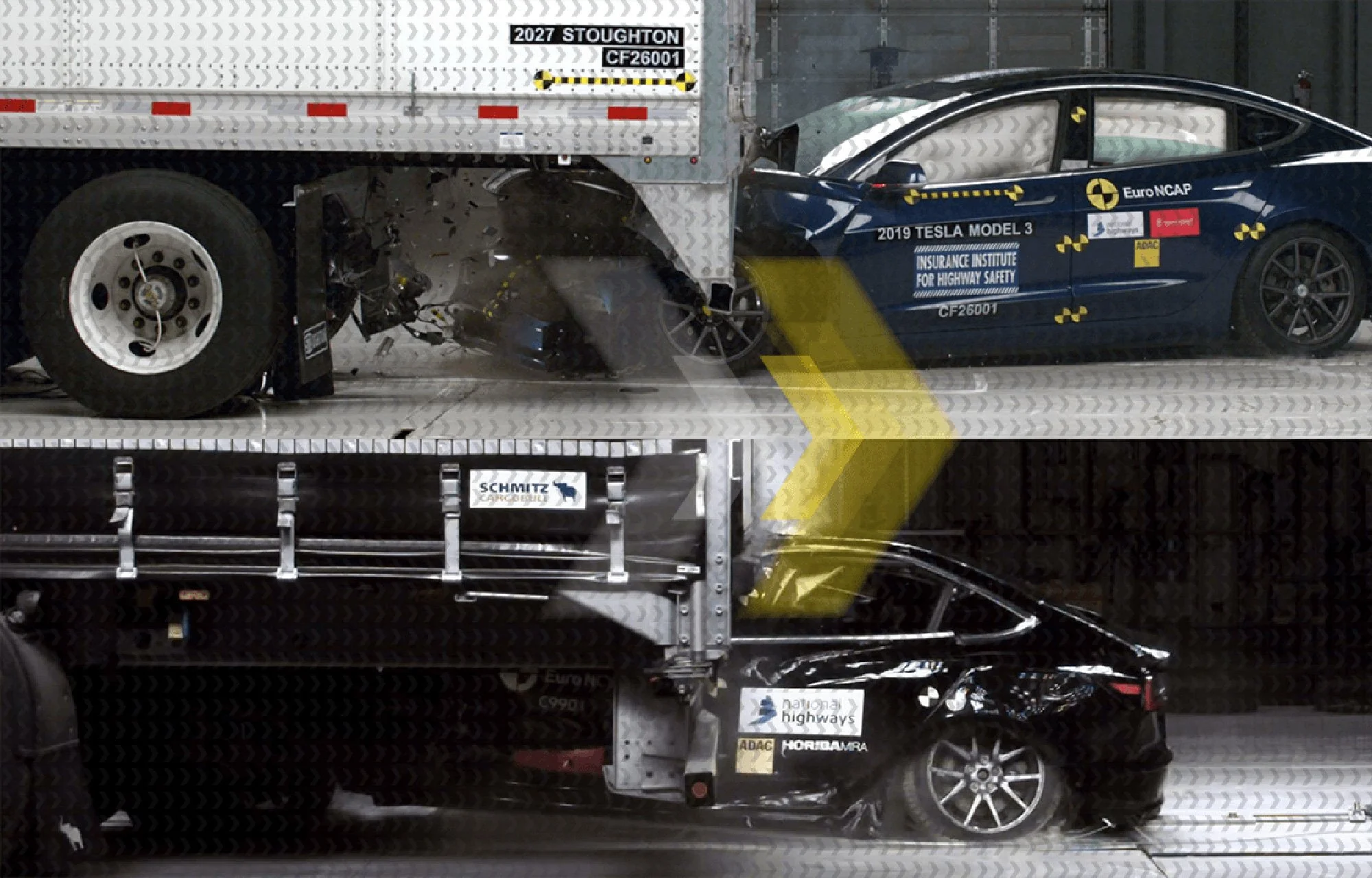
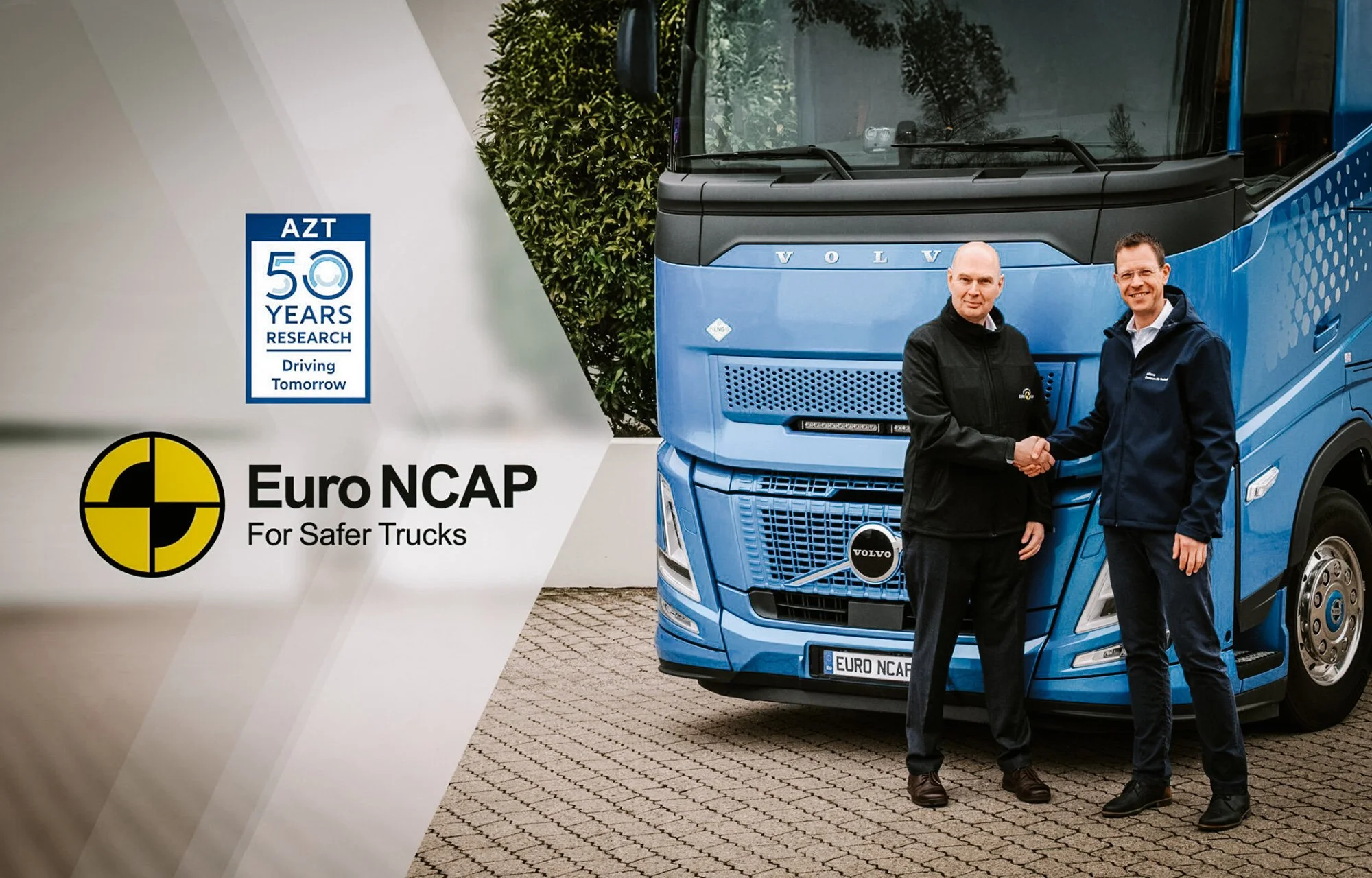
Euro NCAP has announced that Allianz, one of the world’s largest insurance companies, has joined its Safer Trucks programme as an Associate Member.
Independent road safety campaigner Meera Naran has reiterated her call for the widespread adoption of ADAS, highlighting their potential to prevent avoidable deaths on the road.
The Insurance Institute for Highway Safety has shared best practices for fleet operators looking to implement active intelligent speed assistance (ISA) in commercial fleets.
Global NCAP has been recognised in the latest United Nations progress report on the Decade of Action for Road Safety, underscoring the vital role of vehicle safety in cutting road deaths.
A landmark observational survey spanning 10 capital cities has exposed critical vulnerabilities among motorcyclists in South and Central America, with commercial riders and young passengers among the most at-risk groups.
Road deaths are declining across the world's leading economies, but progress is uneven, youth fatalities are rising, and only a handful of nations are on course to meet the United Nations target of halving road deaths by 2030.
The continent's leading independent car safety organisation has delivered its most ambitious year on record, raising the bar for manufacturers and redefining what it means to build a safe vehicle.
Held under the theme "Innovative Pathways for Safe and Sustainable Mobility," SIAT 2026 was the largest edition in the symposium's history, drawing over 2,500 delegates and 14,000 exhibition visitors.
India's Ministry of Road Transport and Highways has announced transformative safety regulations for medium and heavy-duty commercial vehicles, representing one of the most comprehensive overhauls of truck safety standards in the nation's history.
What was once a vision of the future is now becoming reality: cleaner cities, smarter transport systems, and more inclusive access to mobility for all.
AVs could play a key role in advancing road safety, according to the new head of America’s NHTSA.
Braking is among the most critical components on a two-wheeler as without its presence, one can’t control the momentum of the vehicle.
Safety standards of US fleets are set to be enhanced by a new collaboration between the FIA and the Insurance Institute for Highway Safety.
Women remain at a higher injury risk than men in road crashes, despite a lessening of the difference in outcomes in recent years.
The absence of side head protection in Toyota’s Corolla Cross, on sale in South Africa, has left it with a two-star adult occupant safety rating.
The UK’s new Road Safety Strategy aims to cut road deaths and serious injuries by 65 percent by 2035.
Maruti Suzuki has achieved mixed crash-test results with its models sold in India, Latin America, Australia and New Zealand.
A new FIA Foundation video, ‘Action and Impact’, has been created to showcase its work over the first five years of its 2021-2030 strategy.
The extraordinary contribution to road safety of two pillars of Global NCAP, Jessica Truong and David Ward, has been recognised with prestigious awards.
Working together with the Automotive Association of Brazil and the FIA, the FIA Foundation brought key partners together to build momentum and support for school area road safety.
Strengthening ASEAN and China’s road safety laws and aligning with international standards could significantly reduce road traffic deaths across both territories.
Four people are killed on Great Britain’s roads every day, and a person is killed or seriously injured every 17 minutes.
A mandatory safety label on a new vehicle, complete with its NCAP rating, could empower buyers to choose the safest vehicle.