FIA Study of Nearly 40,000 Motorcycles Reveals Major Road Safety Gaps Across Latin America
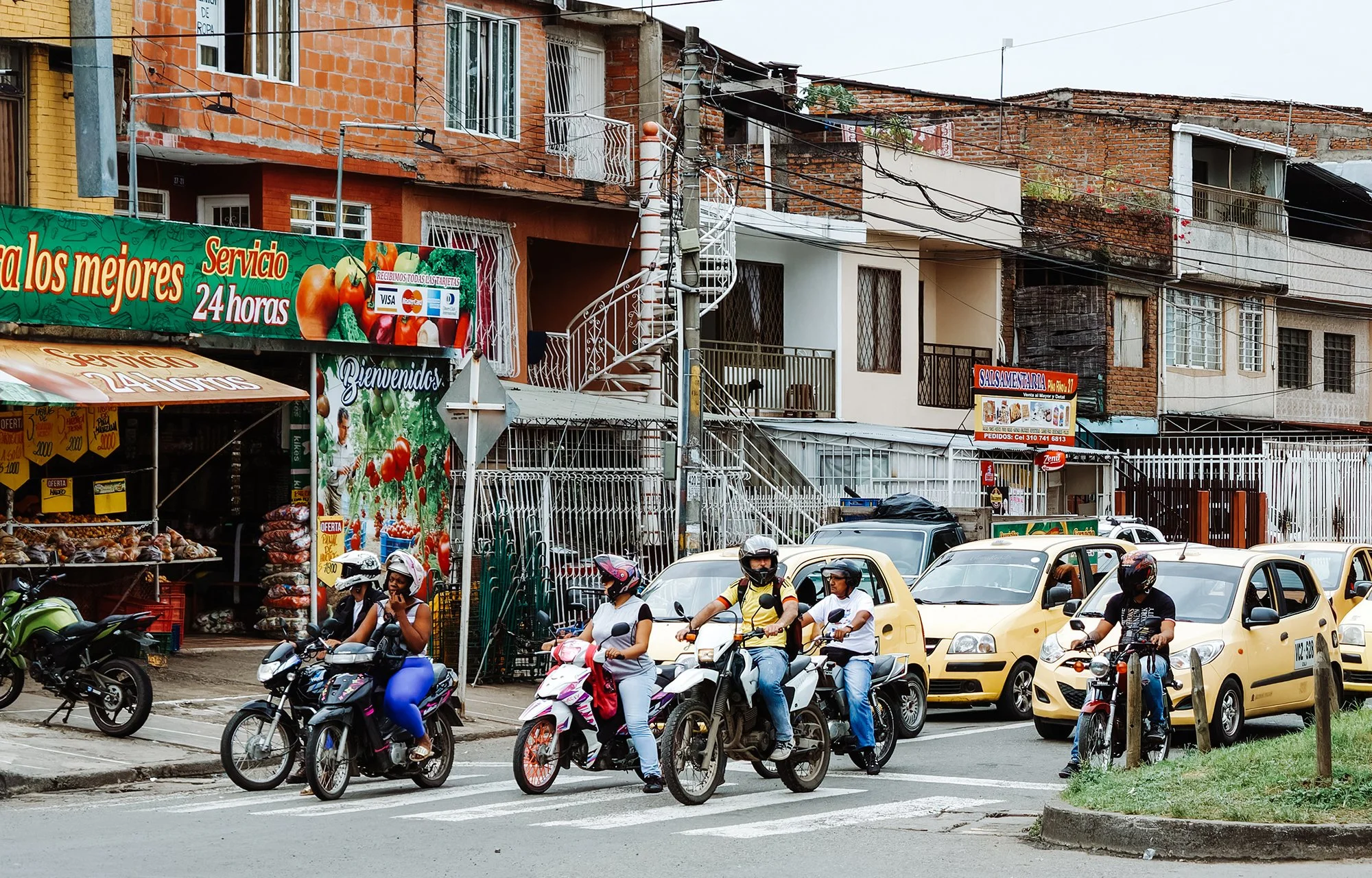
A landmark observational survey spanning 10 capital cities has exposed critical vulnerabilities among motorcyclists in South and Central America, with commercial riders and young passengers among the most at-risk groups.
The Fédération Internationale de l'Automobile (FIA) has published the results of a sweeping new road safety study covering motorcycles across 10 Latin American capital cities, one of the largest surveys of its kind ever conducted in the region, and the findings paint a sobering picture of persistent dangers facing riders and passengers alike.
Conducted by FIA Region IV, the body that unites FIA Mobility Members across South and Central America, the 2025 Regional Observational Study on Motorcyclists observed 37,894 motorcycles and 43,105 riders and passengers between July and August 2025. Funded through the Safe and Sustainable Mobility Grants Programme with backing from the FIA Foundation, the research was carried out by 50 trained observers,including FIA Member Clubs, local partners, and government representatives, across Buenos Aires, La Paz, Bogotá, San José, Quito, Guatemala City, Tegucigalpa, Montevideo, Lima, and Asunción.
The urgency of the study is underscored by a stark statistic: powered two- and three-wheelers account for 25% of all road traffic fatalities across the Americas, making motorcyclists among the most vulnerable users on the road. Reliable data on risk behavior, the FIA argues, is essential for crafting effective public policy, improving enforcement, and designing targeted safety campaigns.
On the more encouraging side, helmet use among riders reached nearly 90%, a figure the FIA described as broadly positive. However, the picture deteriorates sharply when looking at passengers, where helmet compliance drops to around 70%. More alarming still is the situation for children under 15 traveling on motorcycles: while their presence was relatively low across the cities surveyed at under 5% of observed journeys, fewer than half of those young passengers were wearing helmets.
Visibility emerged as another major concern. Fewer than one in four riders wore reflective clothing, and nearly 40% rode without lights on, a dangerous combination that significantly reduces their detectability to other road users, particularly at night or in poor weather conditions.
Distracted riding is also a growing problem. More than 20% of individuals were observed using a mobile phone while riding, a figure that the study found to be nearly double among commercial motorcyclists such as couriers and delivery riders. This group faces compounded risks: longer hours on the road, higher exposure to traffic, and slightly lower overall compliance with traffic regulations than their non-commercial counterparts.
Respect for other road users also emerged as a significant gap. Almost 30% of riders were observed failing to yield at pedestrian crossings, while nearly 20% did not stop at traffic lights, behaviors that pose serious risks not only to motorcyclists themselves but to pedestrians and other road users.
FIA Region IV President Ricardo Morales Rubio welcomed the study's findings as a foundation for smarter action. "While helmet use among riders is encouraging, the gaps among passengers, children and commercial riders show there is still work to do," he said. "With stronger enforcement, education and collaboration with Member Clubs, we can better protect motorcyclists across the region."
Looking ahead, FIA Region IV plans to expand the study in 2026, moving beyond capital cities to gather data at the national level, a move designed to address the capital-city bias of the current survey and provide a more comprehensive picture of motorcycle safety conditions region-wide. The expansion reflects growing ambition to turn observational data into concrete, evidence-based policy change across one of the world's most motorcycle-dependent regions.