SIAT 2026 Concludes with Strong Commitment to Global Road Safety and Sustainable Mobility
The Automotive Research Association of India's flagship international symposium concluded on January 30, 2026, with a valedictory session that underscored the automotive industry's collective commitment to advancing safe and sustainable mobility solutions across emerging markets.
SIAT 2026, held under the theme "Innovative Pathways for Safe and Sustainable Mobility," brought together an unprecedented gathering of global stakeholders to address critical challenges facing the automotive sector. The symposium attracted over 2,500 delegates and more than 14,000 exhibition visitors, making it the largest and most impactful edition in the event's history.
The valedictory addresses by Chief Guest Vikram Kasbekar, Executive Director and CTO of Hero MotoCorp Ltd., and Dr. G. Nagarajan, President of SAEINDIA, reflected on the symposium's key outcomes and emphasized industry preparedness for next-generation mobility challenges. ARAI Director summarized the conference highlights, while Dr. N. H. Walke, Convenor of SIAT 2026, extended the vote of thanks.
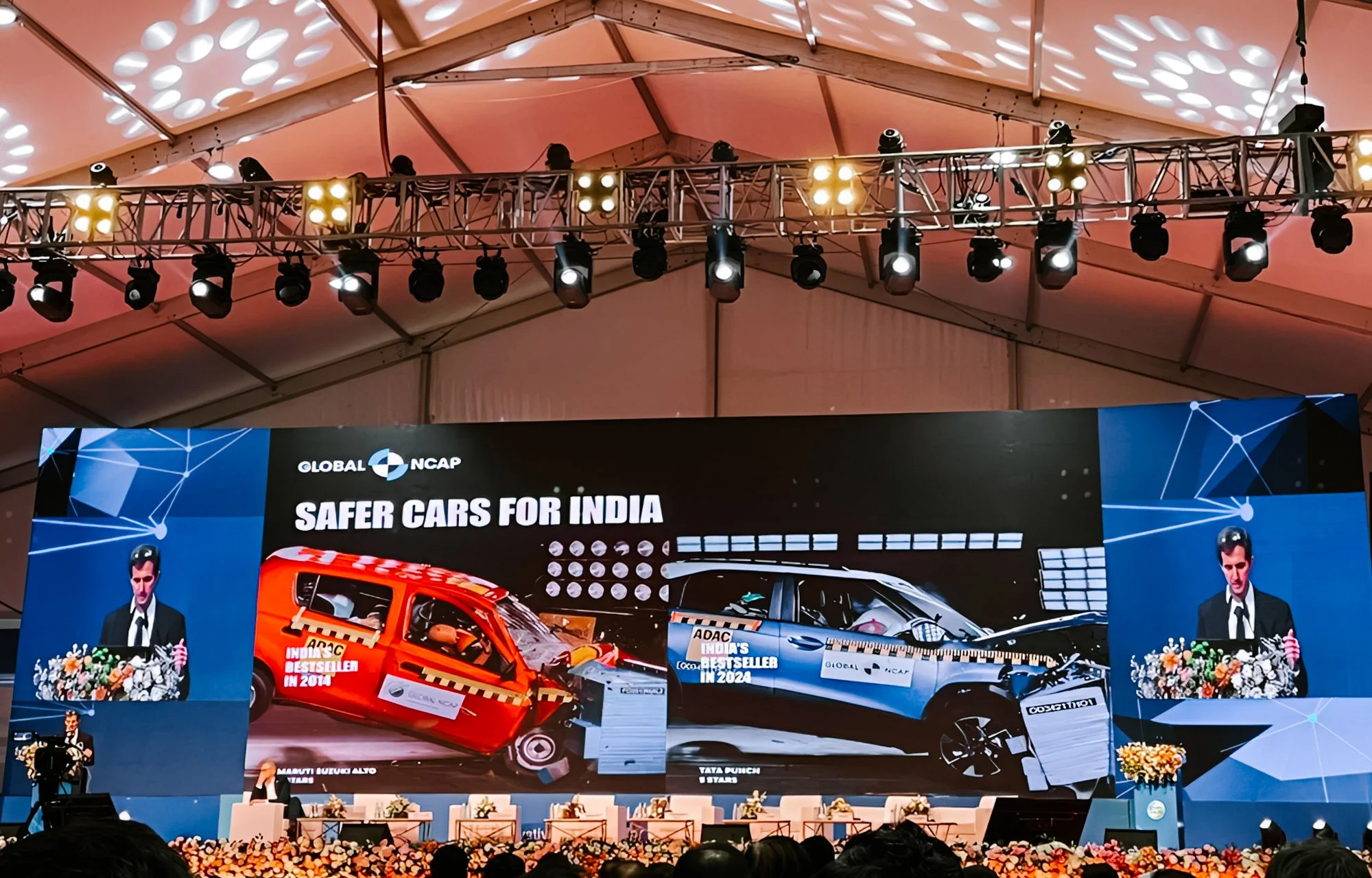
Road safety emerged as a central pillar throughout the symposium, with Global NCAP's Senior Technical Strategy Advisor Alejandro Furas delivering a plenary address that emphasized the democratization of vehicle safety standards across all markets. His presentation highlighted the critical need to eliminate safety disparities between vehicles sold in developed and emerging economies.
The symposium facilitated crucial dialogue between policymakers, industry leaders, researchers, and academia, creating a unified platform for addressing transformative automotive technologies. With 275 exhibitors across 387 stalls from 10 countries and 247 technical papers presented across 64 sessions, SIAT 2026 provided comprehensive coverage of contemporary mobility challenges.
Three high-impact plenary sessions featured eight distinguished global and national leaders who offered strategic insights into policy development, technological innovation, safety standards, and smart mobility solutions. Dr. Frank Mentrup, Lord Mayor of Karlsruhe, Germany, highlighted how his city has transformed into a global mobility innovation hub, providing valuable lessons for urban planning in rapidly motorizing nations.
Government participation underscored regulatory commitment to safer transportation. Virinder Sharma from the Commission for Air Quality Management discussed the intersection of emissions control and vehicle technology, while Om Krishan Singh from the Ministry of Electronics and Information Technology addressed the role of digital innovation in creating intelligent mobility ecosystems.
Industry executives emphasized the importance of engineering-led sustainability solutions that do not compromise safety standards. Presentations explored how emerging technologies can simultaneously improve environmental performance and occupant protection, challenging the false dichotomy between affordability and safety.
The symposium addressed critical gaps in commercial vehicle safety, two-wheeler protection systems, and vulnerable road user considerations. Technical sessions examined pedestrian detection systems, advanced braking technologies, and crashworthiness improvements suitable for diverse market conditions.
International collaboration featured prominently, with participants from multiple countries sharing best practices in regulatory frameworks, testing methodologies, and consumer awareness campaigns. The cross-pollination of ideas between mature and emerging automotive markets generated actionable insights for accelerating safety improvements.
Air quality management received substantial attention, recognizing that sustainable mobility encompasses both crash safety and public health considerations. Discussions explored how electrification, alternative fuels, and efficient powertrains contribute to cleaner urban environments while maintaining rigorous safety standards.
SIAT 2026 reaffirmed the collective responsibility of all stakeholders in shaping safer, more sustainable transportation systems. The symposium demonstrated that industry preparedness, regulatory vision, and technological innovation can converge to create mobility solutions that protect lives while enabling economic development.
The successful conclusion of SIAT 2026 positions ARAI as a leading voice in global automotive discourse, particularly regarding safety and sustainability challenges facing emerging markets.