Celebrating 30 Years of European Vehicle Safety Legislation
To mark the 30th anniversary of the EU's front and side crash test legislation, Global NCAP joined EASST for a hybrid event hosted by the EBRD in London during this European Mobility Week. In his keynote speech, the Rt Hon the Lord Kinnock PC, former EU Transport Commissioner and Vice President of the European Commission, set out how the reforms introduced during his tenure, including the crash test standards that helped launch Euro NCAP, have driven road fatalities down by more than two-thirds since 1995, from around 64,000 a year to 19,400 in 2025, sparing an estimated 900,000 lives. He paid particular tribute to the civil society organisations, including Global NCAP, EASST, the European Transport Safety Council and the FIA Foundation, whose advocacy and expertise made road safety a public priority, and urged the EBRD, investors and international partners to carry that same spirit of collaboration into the next 30 years.
Keynote
I would like to thank the EBRD, EASST and Global NCAP for the opportunity to time travel and look back on an element of my political career. In 1995 I became the first dedicated Transport Commissioner for the European Union. As I said at the time, ‘If transport isn’t working, nothing is working.’ It became my challenge as a Commissioner to get things working and moving.
One thing that wasn’t working at all well was road safety. In 1995, looking at the countries that now make up the EU27, around 64,000 people lost their lives on European roads. 64,000. More than 175 people every day. In addition, about 500,000 people suffered life-changing, serious injuries due to road crashes. Think of the broader, human and economic impact of these numbers – the heartbreak, the shattered family incomes, the lost skills and potential. It was estimated that if nothing changed, about one in every 80 EU citizens would lose their lives an average of 40 years prematurely. One in every three would need hospital treatment due to road crashes in their lifetimes.
The EU’s first action plan on road safety had recently been published. Its focus areas were vehicle safety, telematics, the transport of dangerous goods and aspects of driver behaviour – in particular drink driving, speeding and the use of seat belts.
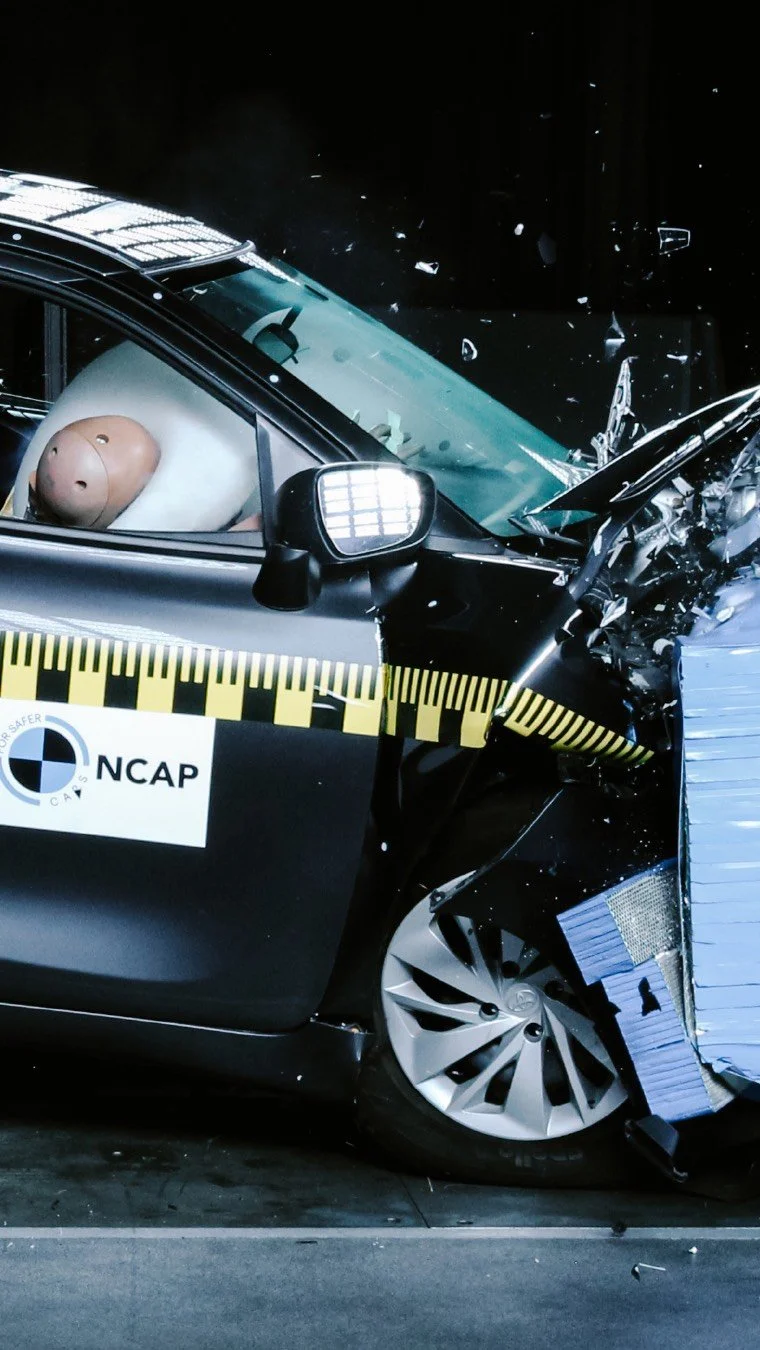
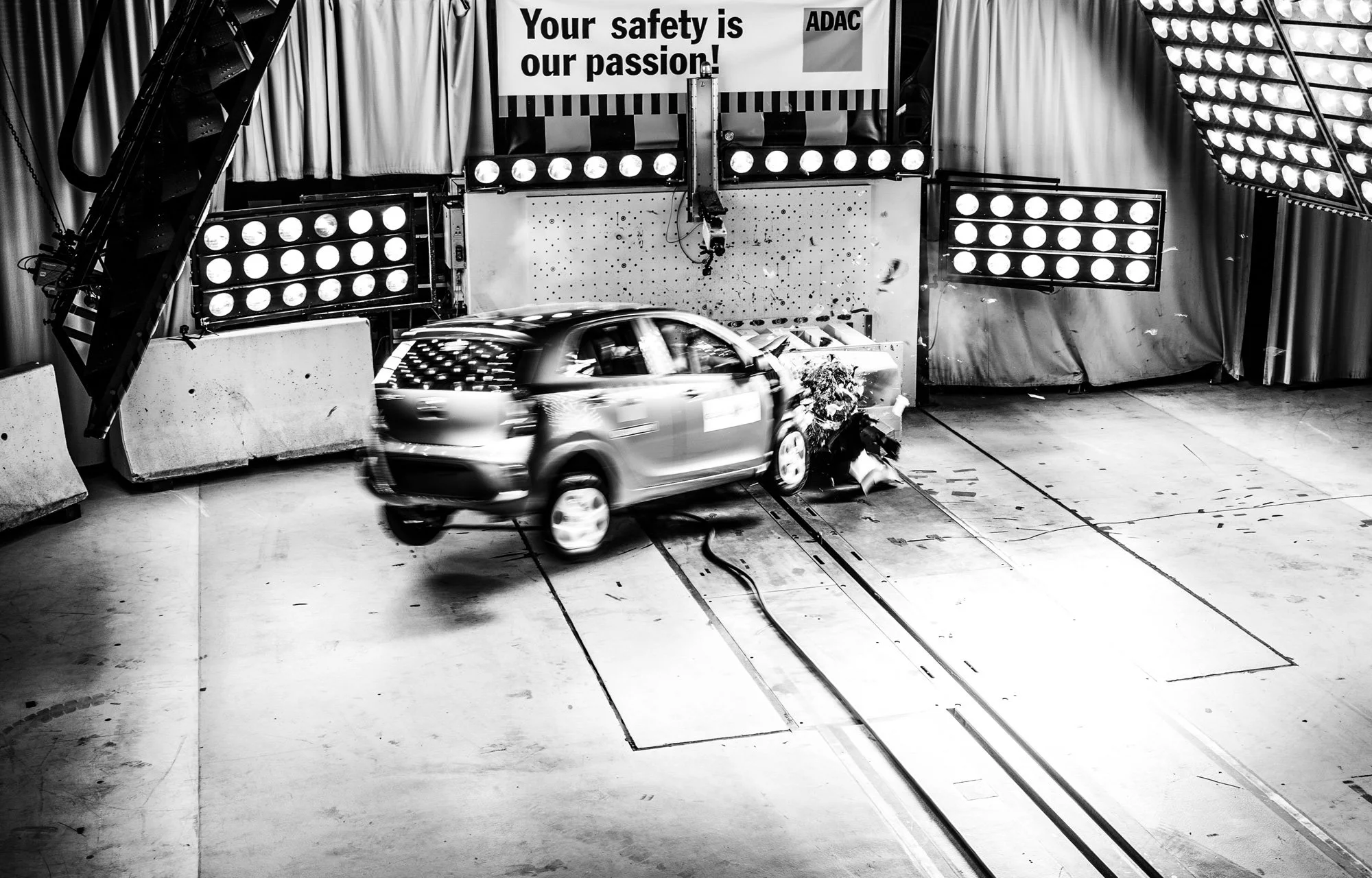
I am proud that during my period as Transport Commissioner the EU adopted crash test standards for front and side impact in 1996, which came into force in 1998. Bull bars were a common feature of vehicles at that time, and these became illegal while pedestrian protection in vehicle design was enhanced. This was after a significant struggle with the car industry who had initially opposed having to comply with more stringent standards.
In 1997 Euro NCAP, the consumer crash test programme, was launched with funding from my Directorate. Over the next 20 years the combination of new vehicle safety regulations and Euro NCAP testing reduced vehicle occupant deaths by more than 50% and have been the largest single contributor to the improvement in EU road safety.
Since 1995 the total population of the 27 countries making up the European Union has grown by 50 million. However, the annual number of road fatalities has been reduced by more than two-thirds – from 64,000 to 19,400 in 2025. Serious injuries have fallen from half a million to around 100,000 people. It is still a priority to get these numbers down. But had it not been for actions to improve road safety in 1995, we would be mourning the loss of over 900,000 additional EU citizens killed on our roads. Nearly a million people have escaped death due to our collective actions. That’s something to be proud about.
The EU’s first action plan on road safety was being implemented during my time as Transport Commissioner. Since then, a series of EU Action Plans have brought continual improvements in road safety. European policies are based firmly on the Safe System Approach which recognises that road safety is a shared responsibility, involving multiple stakeholders across government, local authorities, donors such as the EBRD and not least communities and individuals.
It is important to acknowledge the enormous role played here by civil society organisations such as Global NCAP, EASST, the European Transport Safety Council, the FIA Foundation and many others who have done so much to ensure that road safety became and remained a public priority. Without their advocacy and expertise, it would have been a much different story. I am pleased to see the extent to which the EBRD is collaborating with civil society organisations to ‘upstream’ road safety and sustainable transport as a priorities in their projects.
There is a further important point to remember when looking back on over the past 30 years. A huge benefit of the decisions taken by the European Union to set higher safety standards was that these then became global standards through the UNECE World Forum for Harmonisation of Vehicle Regulations. They now apply to over 95% of all new passenger vehicles sold worldwide. This is a classic example of the so-called ‘Brussels Effect,’ where standards originating in the EU become applicable globally, creating benefits for consumers worldwide and a level playing field for industry.
Since 2024 a new package of vehicle standards, the Global Safety Regulation (the GSR) includes a range of vehicle safety measures prioritising pedestrian and vulnerable road users – such as Autonomous Emergency Braking and Intelligent Speed Assistance. These are applicable to all vehicle categories – everything. I am delighted that Heidi Alexander, the UK Transport Secretary, earlier this year decided to adopt these EU standards, ensuring that the UK conforms with European and global best practice.
I’d like to make a final point for our friends in the EBRD and other IFIs. Investing in improving road safety standards and practice aligns closely with your environmental goals – safer vehicles are also greener, and speed management technologies reduce fuel use and emissions while at the same time cutting road casualties. It is gender friendly and inclusive – making our roads safer for pedestrians and people of all ages. It also provides huge economic benefits for countries and businesses. Road crashes mean lost taxes, increased social and business costs, and untold damage to family incomes and the quality of life.
Be thoughtful with your investments. For example, when upgrading bus fleets, remember to include the best available technologies. Intelligent Speed Assistance can be retrofitted, improving safety and energy efficiency and giving significant range extension for electric fleets. There is now an increasing need to ensure that road infrastructure and vehicles can communicate. This means a focus on better maintenance of signage and digital profiling of speed. We need less emphasis on creating ‘high speed roads’ to instead ensuring ‘connected vehicles’ and active transport such as pedestrian and cycling infrastructure. This will help to future proof your investments and provide even greater benefits for your countries of operation.
In closing: All the experience of the last 30 years underlines the benefits of safety standards, and of regional and international collaboration. Let this be the pattern for the next 30 years too.
The Rt Hon the Lord Kinnock PC
FOLLOW US
YOUTUBE