Seatbelt Safety Declaration
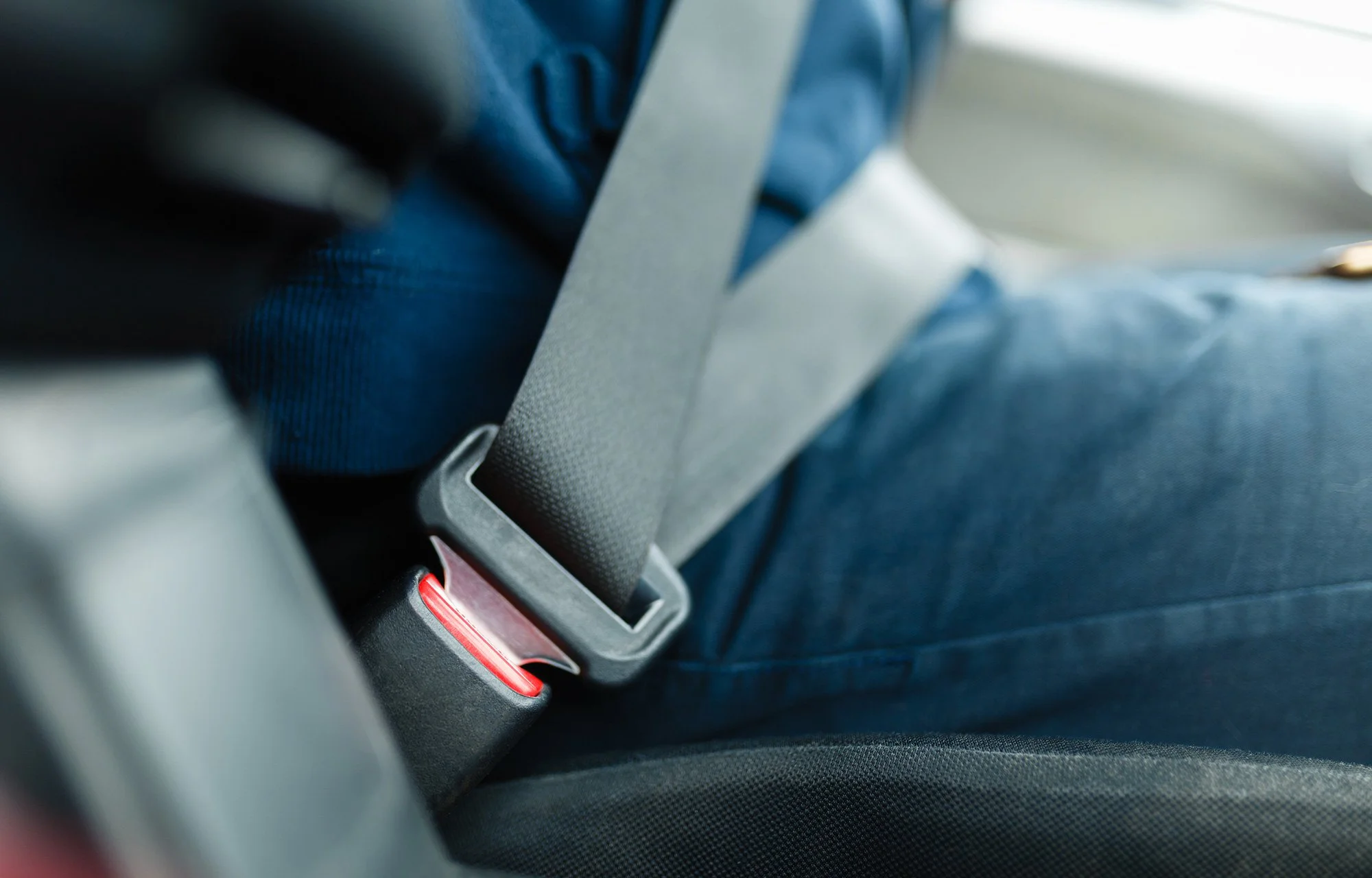
As the world gathers in New York for the UN High-Level Meeting on Global Road Safety, we are confronted by a sobering truth: around 1.19 million people still lose their lives on the world's roads every year, and road crashes remain the leading cause of death for children. Behind each of those numbers is a family whose loss was preventable.
We publish this Seatbelt Declaration because the single most effective step we can take to change that picture is also one of the oldest and best understood. The seatbelt is the most important passive safety device ever fitted to a vehicle, reducing the risk of death by up to 60% when worn correctly. Yet more than half a century after its introduction, the life-saving protection it offers is still not available to, or used by, millions of people — most acutely in the low- and middle-income countries that bear the heaviest burden of road death.
This is not a technological challenge. The solution already exists. What is required now is the collective will to make seatbelts, child restraint systems and proven occupant-protection technologies standard in every vehicle, in every seat, at every price point, and to ensure they are correctly used. That responsibility is shared: by governments who must legislate and enforce, by an automotive industry that must apply the same safety standards to its most affordable models as to its most expensive, and by all of us who advocate for safer roads.
UN Sustainable Development Goal 3.6 — to halve road deaths and injuries by 2030 — cannot be met while seatbelt availability and use remain optional. The commitments set out in this Declaration are the non-negotiable foundations of any serious national road safety strategy. Global NCAP calls on policymakers, regulators and manufacturers meeting in New York, and around the world, to endorse them and to act.
No one should be left behind as the world makes its vehicles safer.
Seatbelt Declaration
The seatbelt is the single most important passive safety device ever fitted to a motor vehicle. Ensuring its availability and its consistent and correct use remains some of the most effective actions in reducing road deaths and serious injuries.
When worn correctly, seatbelts reduce the risk of death by up to 60%.
The global road safety crisis, in which approximately 1.19 million people lose their lives every year, cannot be meaningfully addressed without dramatically improving the availability of seatbelts and seatbelt wearing rates, particularly in low- and middle-income countries.
Road crashes are the leading cause of death for children and they are among the most vulnerable vehicle occupants. Ensuring the availability of safer child restraint systems (CRSs), correct equipment in vehicles for safe installation and the proper use of age- appropriate CRSs are absolutely critical to the safety of children travelling in vehicles.
Seatbelt effectiveness depends entirely on correct use, worn across the chest and the lap and over the shoulder, and actions to encourage correct wearing technique is as important as promoting use itself.
The dangerous misconception that rear seat travel is inherently safe without restraint use must be vigorously challenged and corrected.
Governments at every level are encouraged to enact, enforce, and continuously strengthen legislation mandating the availability of seatbelts and seatbelt use for all occupants and in all seating positions and for all vehicle types.
Recommended minimum safety technologies including seatbelt reminders, pre-tensioners, load limiters, ISOFIX and airbag systems should be standard equipment across all vehicle segments and price points globally.
The automotive industry’s commitment to safety must be judged by the standards it applies to every vehicle it produces worldwide, including the most affordable models in emerging markets.
UN Sustainable Development Goal 3.6, to halve global deaths and injuries from road traffic crashes by 2030, cannot be achieved without seatbelt availability and use in all seating positions being treated as a non-negotiable action of every national road safety strategy. 11. Further technological improvements and innovations are still needed to improve the safety performance and design of seatbelts for all user groups and to ensure consistent and appropriate use.
Further technological improvements and innovations are still needed to improve the safety performance and design of seatbelts for all user groups and to ensure consistent and appropriate use.
FOLLOW US
YOUTUBE