London’s Vision Zero Action Plan 2: Vehicle safety in focus
London has unveiled an ambitious new road safety plan aimed at accelerating progress towards its Vision Zero goal of eliminating deaths and serious injuries on city streets by 2041.
The next phase includes 43 targeted measures, with vehicle safety technologies playing a central role.
Amongst them, the city is aiming to achieve 100% coverage of Intelligent Speed Assistance (ISA) across its bus fleet by 2031, through the introduction of new vehicles and retrofitting older models. London’s Bus Safety Standard introduced technologies like ISA and acoustic vehicle alerting systems (AVAS) for all new buses entering the fleet back in 2019.
Transport for London (TfL) will also collaborate with the Metropolitan Police to trial safety technologies like AI-enabled cameras that can detect mobile phone use or lack of seatbelts as well as systems to identify illegal number plates and enhanced roadside drug-testing devices.
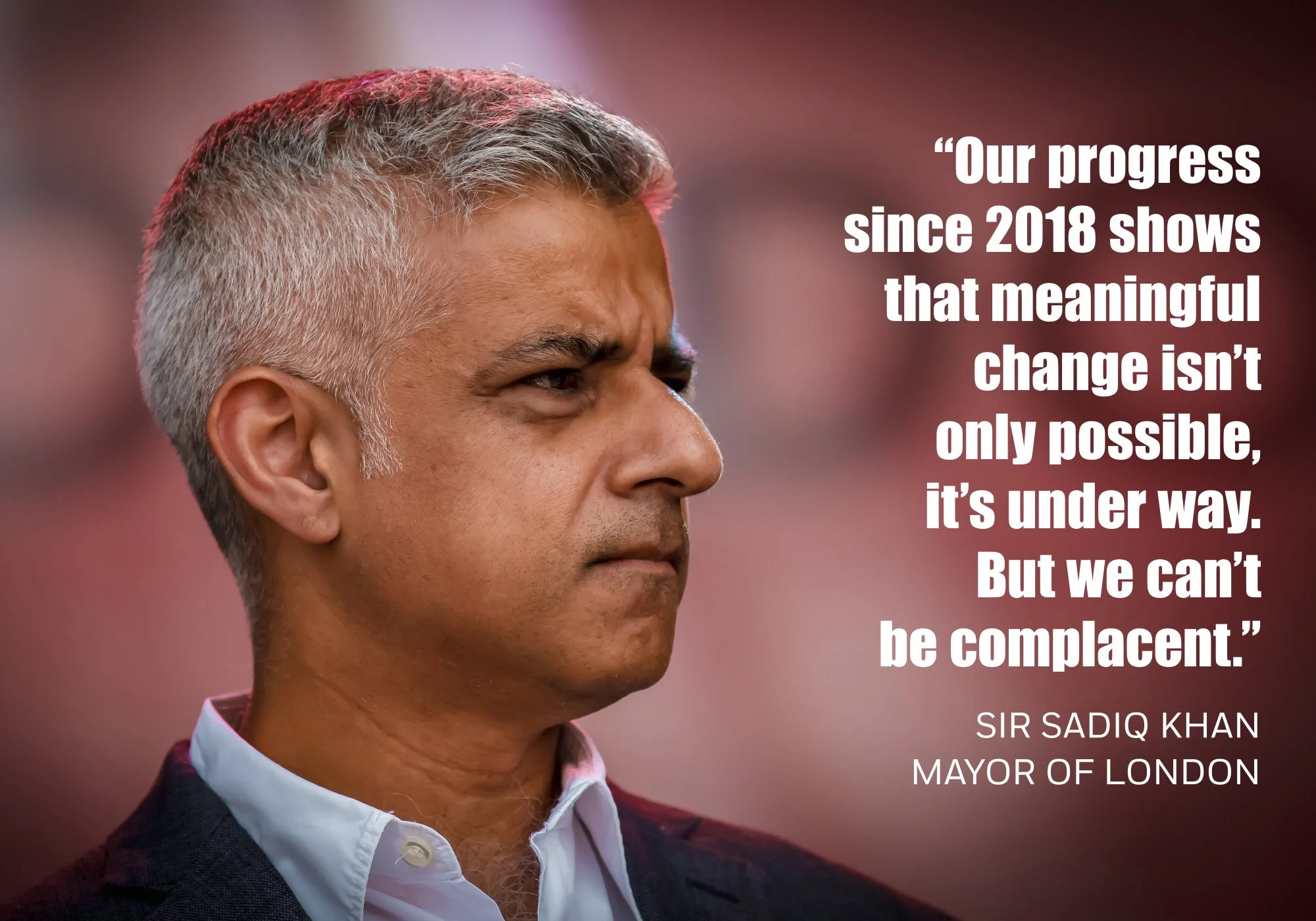
Mayor of London Sadiq Khan said: “London’s roads have changed dramatically in recent years. We now have more delivery traffic, rising numbers of large vehicles and SUVs, an explosion in the use of e-bikes and the emergence of autonomous vehicles. These shifts have brought their fair share of challenges and we must adapt, innovate and act together to keep Londoners safe.”
The city has already seen significant progress. Since the launch of Vision Zero in 2018, London recorded its lowest number of deaths and serious injuries in 2024, outside of pandemic-affected years.
The Direct Vision Standard, introduced in 2019 to reduce HGV blind spots, has helped halve vulnerable road user casualties involving a lorry from 71 per year before the scheme was introduced to 35 in 2024. The first of its kind, the DVS rates how much HGV drivers can see through their windows on a star rating of one to five.
London’s new Vision Zero plan aligns with the UK’s first Road Safety Strategy in over a decade, which targets a 65% reduction in road deaths and serious injuries by 2035.